5 Signs You May Need a Sump Pump

Close-up of water flowing from a black hose on green grass, highlighting plumbing services for sump pump installation.

You finally have your dream basement. Carpeted, completely stocked with food and drinks for the big game, outfitted with the latest electronics, a stellar home entertainment system, and that new, oversized comfy couch. Now for your nightmare: a heavy spring downpour that threatens to flood your newly remodeled basement.

This disaster and the need for expensive water damage restoration can be prevented by a small pump installed in the lowest part of your basement, otherwise known as the sump pump.

How do you know if you have a sump pump?

As surprising as it might seem, some homeowners may not be aware that they have a sump pump in their home. Luckily, it’s pretty easy to identify!

If you do have a sump pump, it will most likely be located in a small pit in the basement. While some sump pumps have covers, others do not, so that’s something to keep in mind. If it does have a cover, it should only have one pipe coming up through the lid. You can also check the pit outside of a house to see if the sump pump is there.

How do you know if you need a sump pump?

  1. Your basement has flooded before.
  2. You live in a flat or low-lying area with soil that readily traps water.
  3. You have a finished basement that contains personal items that you want to protect against water damage and mold growth.
  4. You live in an area that experiences large quantities of rain or snow.
  5. You already have a sump pump but it is 6 or more years old (sump pumps usually last up to 10 years).

When you are ready to install a sump pump to protect your property (and dream man cave), call on the experts at Plumb Right! We are highly experienced professionals who have been serving the Minneapolis area since 1988. Leave the job to our team!

Give our Minneapolis plumbers a call today if you’d like to schedule maintenance! Contact us at
(763) 561-3306.

Is a Home Water Filtration System Worth It?

Clear glass of water showcasing purity, with a water filtration system in the background representing Plumb Right services.

Is a Home Water Filtration System Worth It?

For thousands of years, people have been trying to find ways to purify their water, with Hippocrates creating a simple cloth filter in Greece as early as 500 BCE. That is because the cleanliness of your water can have a huge impact on how you feel and how your home functions. Luckily, technology has now caught up to our need to clean, with modern water filtration systems able to filter out harmful organic material and mineral buildup. If you are concerned about the quality of your water, or you’ve noticed an odd taste to your tap, or limescale buildup on your faucet, a water filter might be the perfect option for you. Our team at Plumb Right is sharing the types of water filters available and the benefits they have—allowing you to create a more informed decision for your home.

Types of Whole-Home Water Filters

As the name would suggest, a ‘whole-home’ filter covers the water for your entire home. This is because these systems are typically attached to your main water line, filtering contaminants at the source. Because every home has different needs, there is not a one-size-fits-all solution to filtration, and you might find that a filter that works for you might not work for your neighbor.

The most popular types of water filtration systems include:

  1. Activated carbon: Carbon’s porous nature works to your benefit here. This system uses activated carbon, or activated charcoal, to pull contaminants from your water and trap them in the pores. While this system is unable to filter minerals and salts, it can effectively remove chlorine and volatile organic chemicals from your water supply.
  2. Reverse osmosis: This system uses a semi-permeable membrane to filter your water and is effective at removing minerals, viruses, heavy metals, and other pollutants. While typically a more expensive choice, this system requires little maintenance and is one of the most effective choices on the market.
  3. UV: The new kid on the block. This system utilizes UV light to irradiate the water passing through it, which reduces your exposure to parasites, bacteria, and viruses but doesn’t remove inorganic contaminants like Fluoride, Calcium, or Magnesium.

7 Reasons to Install a Water Softener

“Hard” water describes water with a high concentration of mineral buildup, particularly in Calcium and Magnesium. While these minerals are harmless—in fact, some studies have even shown that some ingestion of Calcium and Magnesium can lower your risk of heart disease—they can have drastic effects.

7 benefits of a water softening system:

  1. Prevent Calcium, Magnesium, and other mineral buildups
  2. Reduce your water heating bill by up to 29%
  3. Increase the lifespan of your appliances that depend on the water line
  4. Hard water spot and soap scum free dishes and clothes
  5. Clothes and dishes that are free of hard water spots and soap scum
  6. Notice softer, more hydrated skin and hair
  7. Reduce your spending on plastic water bottles

If you are ready to have pure, clean water, call our team at
(763) 561-3306 or contact us online to schedule your whole-home water filtration system installation today.

Common Plumbing Issues Homeowners Should Never Ignore

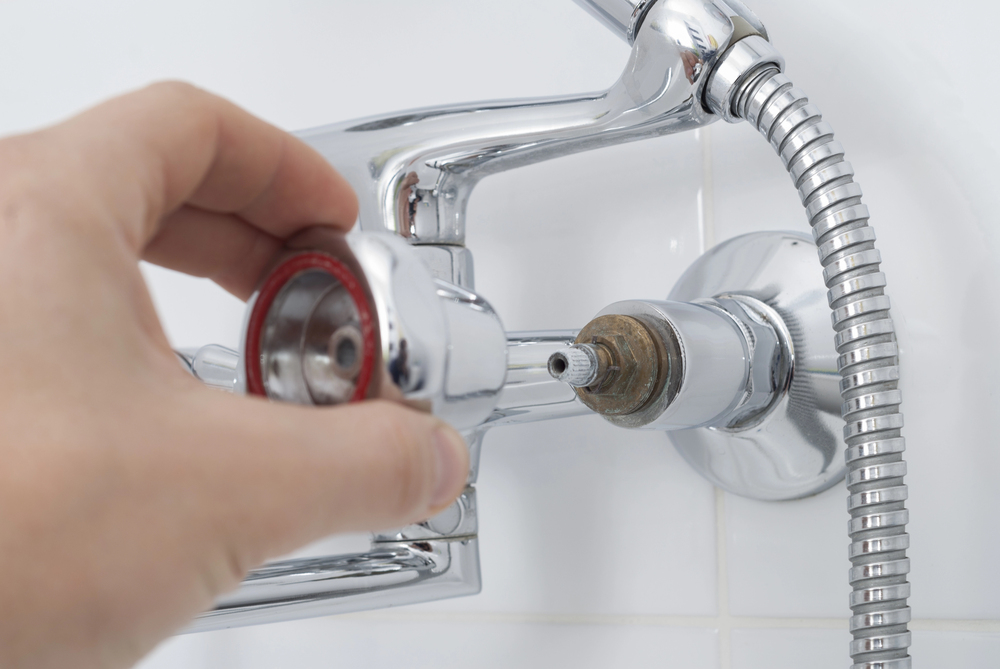
Hand adjusting a chrome faucet handle, illustrating plumbing maintenance for Plumb Right plumbing services.

As a homeowner, there are few things more important than maintaining the functionality and safety of your property. One area that often gets overlooked until problems arise is the plumbing system. Ignoring plumbing issues can lead to costly repairs, water damage, and even health hazards. In this blog, we will discuss some common plumbing problems that homeowners should never ignore.

Dripping Faucets

A dripping faucet may seem like a minor annoyance, but it can waste a significant amount of water over time. Besides the environmental impact, it can also lead to higher water bills. The cause of dripping faucets is often a worn-out washer, which is relatively easy and inexpensive to replace. Ignoring the issue can lead to more severe leaks and potential damage to the faucet or sink.

Leaking Pipes

Leaking pipes can occur due to corrosion, excessive water pressure, or damaged seals. If you notice water stains on walls or ceilings, a musty odor, or mold growth, there’s a good chance you have a hidden leak. Ignoring a leaking pipe can cause structural damage, water wastage, and mold growth that can harm your health.

Clogged Drains

Clogged drains are a common problem in households and are usually caused by the accumulation of debris, grease, hair, or foreign objects. While minor clogs can often be cleared using a plunger or drain cleaner, persistent clogs may indicate a more severe issue deep within the plumbing system. Ignoring clogs can lead to backups and potential pipe damage.

Running Toilets

A running toilet can waste a significant amount of water and inflate your water bill. The problem is often due to a faulty flapper valve or a malfunctioning fill valve. If left unaddressed, a running toilet can result in thousands of gallons of water being wasted annually, not to mention potential damage to the toilet’s internal components.

Low Water Pressure

Low water pressure can make everyday tasks like showering or washing dishes frustrating. The issue may be due to mineral buildup in the aerators, sediment accumulation in pipes, or leaks. Ignoring low water pressure might lead to underlying plumbing issues and can affect the efficiency of your appliances.

Water Heater Problems

Water heaters are essential for providing hot water to your home, and any issues with them should be addressed promptly. Common water heater problems include lack of hot water, strange noises, and leaks. Neglecting water heater issues can lead to complete failure, leaving you without hot water and the potential for water damage.

Sewer Line Blockages

A sewer line blockage is a severe plumbing issue that requires immediate attention. Signs of a blockage include gurgling sounds, foul odors, and multiple drains backing up simultaneously. Ignoring a sewer line blockage can lead to raw sewage backups, which are not only unpleasant but also hazardous to your health.

Plumbing issues may seem inconsequential at first, but they can quickly escalate into costly and damaging problems if ignored. As a responsible homeowner, it’s essential to address plumbing issues promptly or seek professional help when needed. Regular maintenance and timely repairs can save you money, prevent property damage, and ensure the safety and comfort of your home.

Remember, Plumb Right is here to assist you with any plumbing concerns, offering reliable and efficient solutions tailored to your needs.

4 Tips for Keeping Your Pipes from Freezing in the Winter

Frosted metal plumbing pipe with a red valve mechanism, highlighting winter plumbing challenges by Plumb Right.

As the winter season approaches, homeowners face the challenge of keeping their pipes from freezing. Frozen pipes not only cause inconvenience and interruption of daily routines, but they can also lead to costly repairs. Fortunately, there are things you can do to prevent this from happening.

1. Insulate Your Pipes

The simplest way to prevent your pipes from freezing is by insulating them. Pipe insulation is cheap, effective, and easy to install. You can purchase foam or fiberglass pipe insulation that fits around your pipes to keep them warm. This helps to maintain the heat in your pipes and protect them from freezing. In addition to insulation, consider sealing gaps or cracks near your pipes to prevent cold air from entering.

2. Keep Your Home Warm

Regulating the temperature in your home is a vital step to protect your pipes from freezing. Keep your home environment warm and maintain a consistent temperature above 55°F. Even if you’re going to be away from home, ensure that the heating system is still functioning. If you’re planning to go on a vacation, it’s recommended to keep your heating system on while lowered to a reasonable temperature.

3. Drip Your Faucets

A simple yet effective way to prevent frozen pipes is by allowing a small drip of water to run through your faucets. When water moves through your pipes, it becomes difficult for them to freeze. Additionally, a small drip helps to reduce water pressure, a significant cause of pipe bursts. If you’re concerned about wasting water, consider placing a container under the faucet to collect water to use later.

4. Drain Your Outdoor Hose

If you have an outdoor hose, it’s important to disconnect it and drain the residual water. When water freezes, it expands, causing pressure to build up in the pipes and increasing the risk of your pipes bursting. Failing to remove and drain the hose can also cause water to freeze in the outdoor spigot, leading to costly repairs.

Minneapolis Plumbers Serving the Twin Cities

Contact Plumb Right today at 6900 Winnetka Circle, Suite 350, Brooklyn Park, MN, 55428, or call us at
(763) 561-3306.
Our dedicated team is here to provide you with top-notch plumbing services and ensure your peace of mind during the winter months.

The Pros and Cons of Tankless Water Heaters

Modern bathroom featuring a wall-mounted water heater, showerhead, bath towels, and organized shampoo bottles.

Are you contemplating replacing your water heater but feeling uncertain about which type to choose? Tankless water heaters are gaining popularity for good reason. They offer long-term cost savings and provide hot water on demand. However, like any appliance, they come with their own set of advantages and disadvantages.

Pros of Tankless Water Heaters:

  1. Cost and Energy Savings: Tankless water heaters use less energy than traditional water heaters because they only heat water when needed. This means that they can help reduce your energy bills.
  2. Longer Lifespan: Tankless water heaters last longer than traditional water heaters, typically up to 20 years, compared to 10-15 years for conventional water heaters.
  3. Space Efficiency: Tankless water heaters are small, saving much-needed space in your home.
  4. On-Demand Hot Water: With a tankless water heater, you will never run out of hot water, no matter how many people need to shower or do laundry at once.

Cons of Tankless Water Heaters:

  1. Initial Cost: Tankless water heaters are more expensive than traditional water heaters. However, the energy savings can compensate for the higher initial cost in the long run.
  2. Installation: Tankless water heaters require more installation time and may require professional installation, depending on your home’s setup.
  3. Maintenance: Tankless water heaters require annual upkeep to keep them running efficiently, and if not properly maintained, they can be prone to malfunctioning.
  4. Limited Flow Rate: Depending on the size and capacity of the tankless unit, they may have a limited flow rate, meaning that multiple appliances cannot be used simultaneously without a drop in water pressure.

Overall, it’s clear that tankless water heaters have more benefits than drawbacks. However, it ultimately depends on your household’s specific needs and budget. Hybrid options, like an integrated tank and tankless system, can combine the best of both options.

Minneapolis Water Heater Repair

If you’re considering switching to a tankless water heater in Brooklyn Park, MN, Plumb Right can help. Our experienced team can assess your hot water needs, recommend the best solution, and provide professional installation and maintenance services. Contact us today at
(763) 561-3306
to learn how a tankless water heater can benefit your home.

Are Water Softeners Worth It?

Young girl filling a glass with water at a modern kitchen sink, highlighting domestic water quality and home hydration.

If you live in an area with hard water, you may have heard about water softeners and wondered if they are worth the investment. Hard water contains high levels of minerals like calcium and magnesium, which can lead to a variety of issues, such as scale buildup in pipes, soap scum on dishes and clothes, and dry skin and hair.

1. Improved Appliance Lifespan

One of the main advantages of using a water softener is that it can extend the lifespan of your household appliances. Hard water can cause mineral buildup in appliances like dishwashers, washing machines, and water heaters, leading to decreased efficiency and costly repairs. Installing a water softener can prevent this buildup and ensure that your appliances last longer.

2. Cleaner Dishes and Clothes

After washing, hard water can leave behind a film on dishes and clothes, making them appear dull and dirty. With a water softener, you can enjoy cleaner dishes and clothes as the softened water helps soap lather more effectively and rinse away more quickly. This produces brighter colors, softer fabrics, and cleaner dishes without excessive detergent.

3. Healthier Skin and Hair

Hard water can strip the natural oils from your skin and hair, leaving them dry and irritated. Using a water softener can reduce the harsh effects of hard water on your skin and hair, leading to healthier-looking skin that feels smoother and softer. You may also notice less irritation from conditions like eczema or psoriasis when using softened water.

4. Cost Savings

While an upfront cost is associated with purchasing and installing a water softener system, many homeowners find that it pays for itself over time through savings on cleaning products, energy bills, appliance repairs, and personal care items. Softened water requires less soap for cleaning tasks, which means you will spend less money on laundry detergent, dish soap, shampoo, and body washes.

5. Environmental Benefits

Using a water softener can also have environmental benefits by reducing the chemicals needed for cleaning tasks due to improved lathering ability with softened water. Softened water often requires less energy to heat up than hard water since it doesn’t have to work against mineral deposits in pipes or appliances.

Water Quality Services in Minneapolis

If you’re tired of dealing with the effects of hard water in your Brooklyn Park, MN home, it’s time to consider the benefits of a water softener system. At Plumb Right, we understand the unique water challenges of our community and offer tailored solutions to ensure your water is soft, clean, and efficient. Our team of experts is ready to guide you through selecting, installing, and maintaining the perfect water softener for your home. Don’t let hard water diminish your quality of life any longer. Contact us today at
(763) 561-3306
to find out how we can help you achieve the water quality you deserve!

How a Water Softener Can Save Your Skin and Hair During the Hot Months

Young woman in casual attire enjoying a glass of water, promoting hydration and skin health, in a bright room.

As the temperatures rise during the hot months, many of us are looking for ways to protect our skin and hair from the harsh effects of hard water. Hard water contains high levels of minerals like calcium and magnesium, which can leave a residue on our skin and hair, leading to dryness, irritation, and dullness. One solution to these issues is investing in a water softener for your home.

1. Say Goodbye to Dry Skin

Hard water can strip away the natural oils from your skin, leaving it feeling dry and tight. This can worsen during the hot months when we shower more frequently to cool off. By installing a water softener in your home, you can say goodbye to dry skin. A water softener removes the mineral deposits in hard water, allowing your skin to retain its natural moisture. After a few showers, you’ll notice a difference in how smooth and hydrated your skin feels.

2. Prevent Hair Damage

Just like our skin, our hair can also suffer from the effects of hard water. The mineral buildup from hard water can leave your hair looking dull and feeling weighed down. This is especially problematic during the hot months when swimming pools expose us to sun and chlorine. With a water softener, you can prevent hair damage by washing away those minerals that can strip your hair of its natural shine. Your hair will feel softer, look healthier, and be more manageable.

3. Reduce Irritation

If you struggle with sensitive skin or scalp conditions like eczema or psoriasis, hard water can exacerbate these issues. The minerals in hard water can irritate your skin and cause flare-ups, making it even more uncomfortable during the hot months when you’re already dealing with sweat and heat. Switching to soft water with a water softener can reduce irritation and soothe your skin and scalp. Your showers will become more enjoyable as you no longer worry about redness or itchiness.

4. Improve Product Efficiency

Using hard water in your showers or baths can affect how well your skincare products or shampoos work. The mineral buildup on your skin or hair creates a barrier that prevents products from fully penetrating and doing their job effectively. By using soft water from a water softener, you’ll improve the efficiency of your products as they’ll be able to work their magic without any hindrances. You’ll notice better results from your favorite skincare routine or hair care regimen.

Water Services in Minneapolis

At Plumb Right in Brooklyn Park, MN, we understand the importance of having soft water in your home, especially during the hot summer months. Our team of experts is ready to help you choose and install the perfect water softener system to protect your skin and hair from the damaging effects of hard water. Don’t let hard water ruin your summer – contact us today at (763) 561-3306 and take the first step towards softer water and healthier living. Your skin and hair will thank you!

Winter Checklist: Water Softeners Guide

Hand holding a glass of water under a modern faucet, highlighting Plumb Right's winter maintenance for water softeners.

As the winter season approaches, it’s crucial to prepare your home for colder temperatures.
One commonly overlooked aspect of winter maintenance is ensuring your water softener is ready to handle the challenges of winter weather.

1. Inspect and Clean the Brine Tank

The first step in preparing your water softener for winter is to inspect and clean the brine tank. Over time, salt can build up in the tank, which can affect its efficiency.
Make sure to check the salt levels and refill if necessary. Additionally, clean out any sediment or debris that may have accumulated at the bottom of the tank.

2. Check for Leaks

Winter weather can strain your plumbing system, leading to leaks in your water softener. Check all connections and fittings for signs of leaks and address any issues promptly.
A leaky water softener can lead to wasted water and potential damage to your home, so it’s important to take care of any leaks as soon as possible.

3. Adjust Settings for Cold Weather

During the winter months, you may need to adjust the settings on your water softener to account for colder temperatures.
Lower temperatures can affect how efficiently your water softener operates, so consult your owner’s manual or contact a professional if you’re unsure how to adjust the settings.

4. Protect Your Water Softener from Freezing

One of the biggest threats to your water softener during winter is freezing temperatures. If your water softener is in an unheated area such as a garage or basement,
consider insulating pipes and preventing freezing. You may also consider investing in a freeze alarm that will alert you if temperatures drop below a certain level.

5. Schedule Regular Maintenance

Regular maintenance is key to keeping your water softener running smoothly year-round.
Consider scheduling a professional inspection and service appointment before winter sets in to ensure everything is in working order.
A professional technician can identify potential issues and make necessary repairs before they become major problems.

Water Services in Minneapolis

Winter weather can be tough on your water softener, but with these tips, you can help keep it functioning properly all season long.
Plumb Right offers professional water services in Minneapolis and the surrounding areas to help you maintain and repair your water softener.
Contact us today at (763) 401-8233 for more information or to schedule a service appointment.
Stay warm and worry-free this winter with Plumb Right!